
Working households on council tax support in Slough would lose 10 points of help from April 2027, and bands D to H capped at band C. Consultation 26 Oct to 20 Dec.
Slough Borough Council wants to cut council tax support for every working household that receives it, from April 2027. Cabinet is asked on Monday 19 October to approve a draft scheme for public consultation. The consultation would run from 26 October to 20 December.
The draft scheme does two things, according to the report to Cabinet:
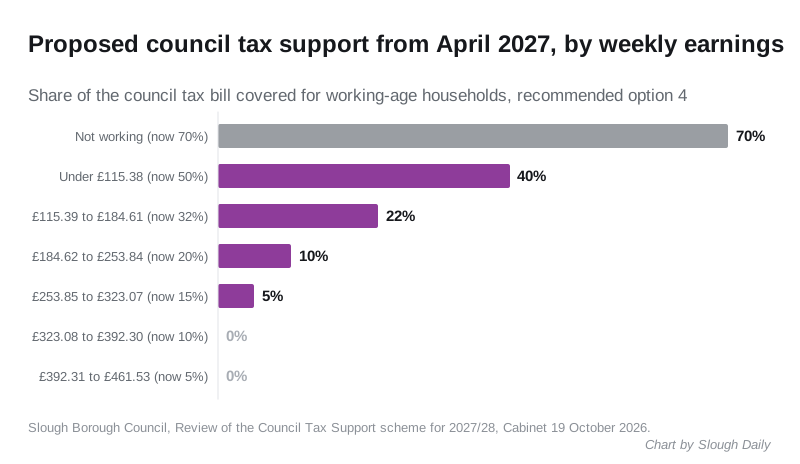
- every earnings band loses 10 percentage points of support: the lowest-paid working households drop from 50% to 40%, and the two highest bands that still get help drop to nothing
- support is capped at the band C council tax level for anyone in a band D to H home, whether they work or not
Households that are not working keep the current 70% maximum. Pensioners are unaffected, because their scheme is set nationally.
Who loses, and how much
The council’s own figures put the working-age caseload at 6,562 households in August 2026. Two groups would get less:
- 1,306 working households would see their percentage support fall by 10 points.
- 1,428 households in bands D to G would be capped at the band C level. That group is 829 not-working households on Universal Credit, 589 working households and 10 on legacy benefits. There are no band H claimants in the table.
The report does not say how many households fall into both groups, so the two numbers cannot simply be added.
| Weekly earnings | Support now | Proposed |
|---|---|---|
| Not working | 70% | 70% |
| Under £115.38 | 50% | 40% |
| £115.39 to £184.61 | 32% | 22% |
| £184.62 to £253.84 | 20% | 10% |
| £253.85 to £323.07 | 15% | 5% |
| £323.08 to £392.30 | 10% | 0% |
| £392.31 to £461.53 | 5% | 0% |
| £461.54 and above | 0% | 0% |
What 10 points is worth. The cut is a share of the full bill, so it depends on the property band. Band D council tax in Slough is £2,408.64 this year, so 10 points of support is £240.86 a year, or £4.63 a week. In band C it is £214.10 a year, and in band A £160.58 (our council tax bands table).
What the band C cap costs. The report gives the weekly loss for a household at the 70% rate:
| Property band | Weekly loss from the cap | Households affected |
|---|---|---|
| D | £3.78 | 1,181 |
| E | £11.35 | 207 |
| F | £18.92 | 36 |
| G | £26.48 | 4 |
A band D household at the cap would pay about £197 a year more. A working household in band D in the £184.62 to £253.84 earnings band could lose both: the 10 points and the cap.
Why the council says it has to
The report is blunt about the reason. The council is still under government intervention, forecast a £19.9m overspend at the first quarter of this year, and has been given permission to borrow £42.9m against this year’s budget through capitalisation directions (our report on the Q1 budget position). The current scheme costs £10.42m and would cost £10.98m next year if nothing changed, of which £6.3m is for working-age households.
The recommended option saves £661,000 a year in gross terms. The council keeps 83% of that, the rest falling to the fire authority and the Police and Crime Commissioner, and it expects more unpaid bills. Its own net saving is put at £494,000.
Six options were modelled. The council is consulting on one of them only.
| Option | What it does | Gross saving |
|---|---|---|
| 1 | No change | £0 |
| 2 | Band C cap only | £253,000 |
| 3 | 10-point cut for working bands only | £428,000 |
| 4 (recommended) | Band C cap plus the 10-point cut | £661,000 |
| 5 | Option 4 plus not-working rate cut to 65% | £970,000 |
| 6 | Option 4 plus not-working rate cut to 60% | £1,340,000 |
Option 6, the report says, would give Slough “the lowest percentage for CTS support in England”. The 70% maximum is already the joint lowest in Berkshire, level with Reading and West Berkshire. Windsor and Maidenhead and Bracknell Forest offer 80%, Wokingham 78%.
The third cut in three years
This is not the first reduction. Maximum support for working-age households stood at 100% before 2025/26. It fell to 80% that year, then to 70% for 2026/27, when three of the earnings bands were also cut (what changed this year). The 2026/27 change was expected to save £872,198.
A hardship fund, and a new policy for it
The council says it will consult on keeping a hardship fund next year. The report assumes £355,000: £275,000 from the government’s Crisis and Resilience Fund and £80,000 carried forward. The consultation questionnaire asks residents whether the fund should be £175,000 or £355,000, so the smaller figure is clearly on the table.
A second report to the same meeting asks Cabinet to adopt a new Council Tax Support Hardship Policy. It replaces a broad hardship relief policy with a scheme only for people who already receive council tax support and still cannot pay. It sets out eligibility, a financial assessment, evidence rules, exclusions and a formal appeal route. The council says the aim is faster decisions for the households most in need.
What it means for you
- If you get council tax support and work, expect to pay more from April 2027 if this goes through. For most households the 10-point cut is worth between £160 and £240 a year.
- If you live in a band D or higher home and get support, your support would be worked out as if your home were band C, whether or not you work.
- If you are not working and in band A, B or C, nothing changes under the recommended option.
- If you are of state pension age, nothing changes.
- Have your say between 26 October and 20 December. The council plans an online questionnaire through its Citizen View site, a letter to every affected working-age claimant, public drop-in events in the areas with the most affected households, paper copies and an easy-read version.
- Hardship help exists now. If you already struggle to pay, ask the council about the hardship fund rather than letting arrears build.
What happens next
| Date | Step |
|---|---|
| Monday 19 October 2026 | Cabinet decides whether to consult on the draft scheme |
| 26 October 2026 | Consultation opens |
| 20 December 2026 | Consultation closes |
| 18 January 2027 | Cabinet considers the results and a final scheme |
| 28 January 2027 | Full Council vote |
| 1 April 2027 | New scheme starts |
The law requires full Council to approve any new scheme by 11 March 2027. The decision on 19 October is a key decision and can be called in by scrutiny councillors. The government’s commissioners have said they are content for the report to be considered.
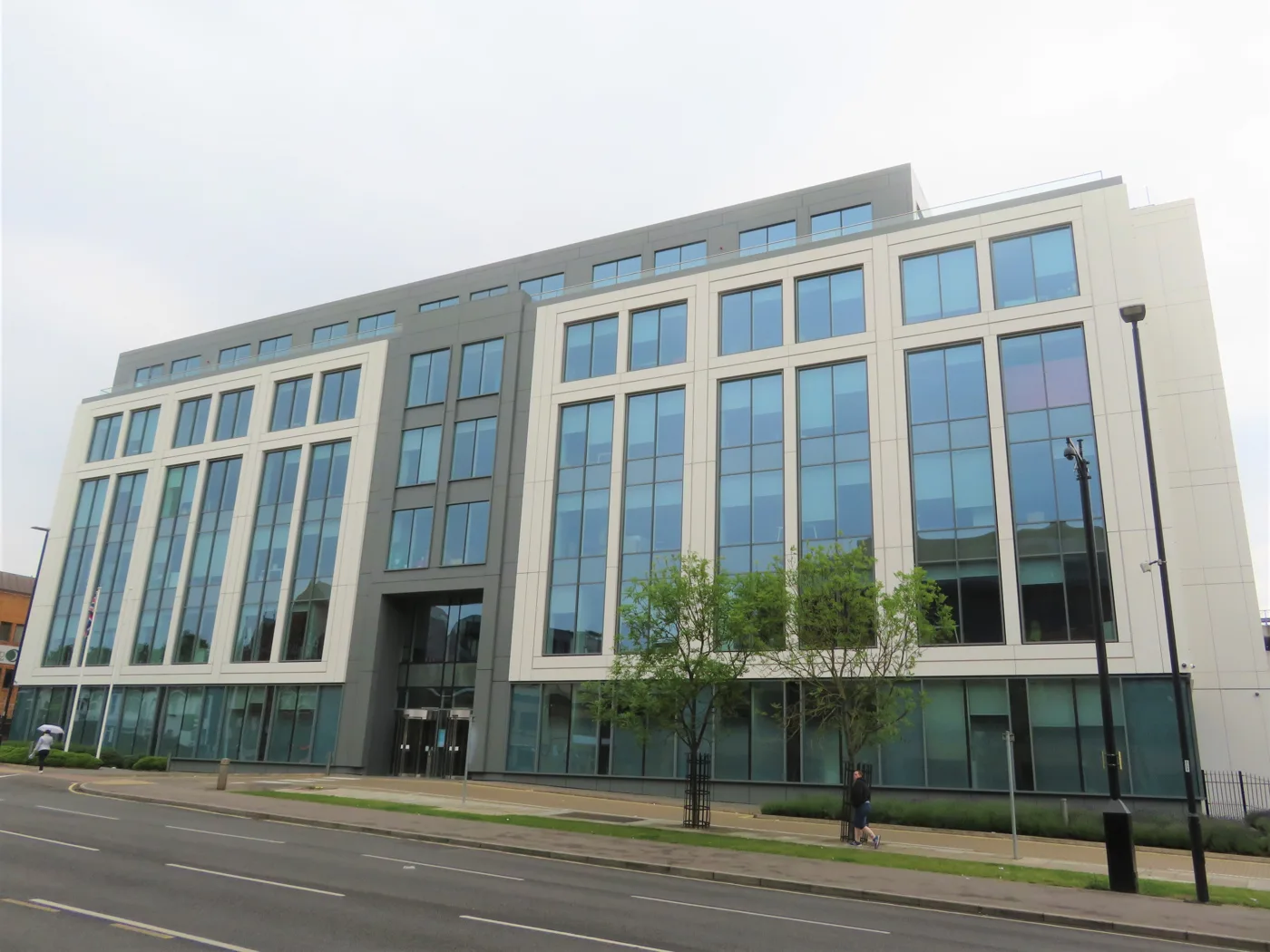
Cabinet meets at 6.30pm on 19 October at Observatory House. The full agenda, the draft scheme and the consultation questionnaire are on the council’s committee site.
Have your say