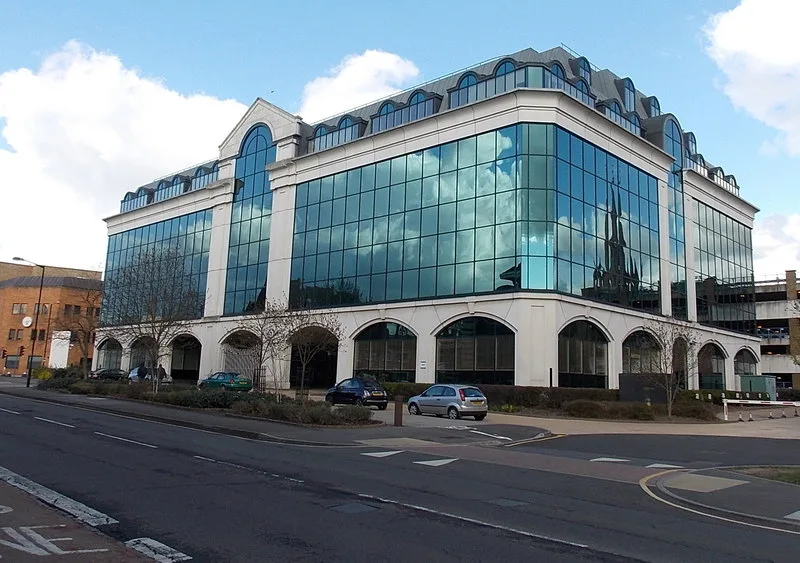

Slough Borough Council expects to overspend by £19.9m this year, £16m of it on children's care. Cabinet sees the figures on 21 September. What is driving it.
Slough Borough Council is forecasting a £19.9m overspend on its day-to-day budget this year. More than three quarters of it, £15.96m, is on children’s social care.
The figures are in the council’s first quarterly budget report for 2026/27, published ahead of the Cabinet meeting on Monday 21 September. (Slough Borough Council, 2026/27 Quarter 1 Budget Management Report)
The forecast is made before any risk contingencies or unplanned reserves are drawn down. The council’s total spending budget for the year is £236.4m.
A budget that already leaned on government support
The overspend lands on a budget that was only balanced with help. The council approved its 2026/27 budget with £42.9m of exceptional financial support from the government, plus a pipeline of £15.4m of savings. That is set out in the review by the government-appointed commissioners who oversee the council, printed at the front of the report.
The commissioners do not soften it. They call it “an extremely serious financial position for the Council”. They say managing an overspend of this scale “requires structured and swift intervention” if the budget is to be brought back before the year ends.
They also ask councillors to show restraint. Their review calls for “a proactive offer to defer or pause non-statutory, non-grant funded projects that have not yet launched”.
Where the £19.9m comes from
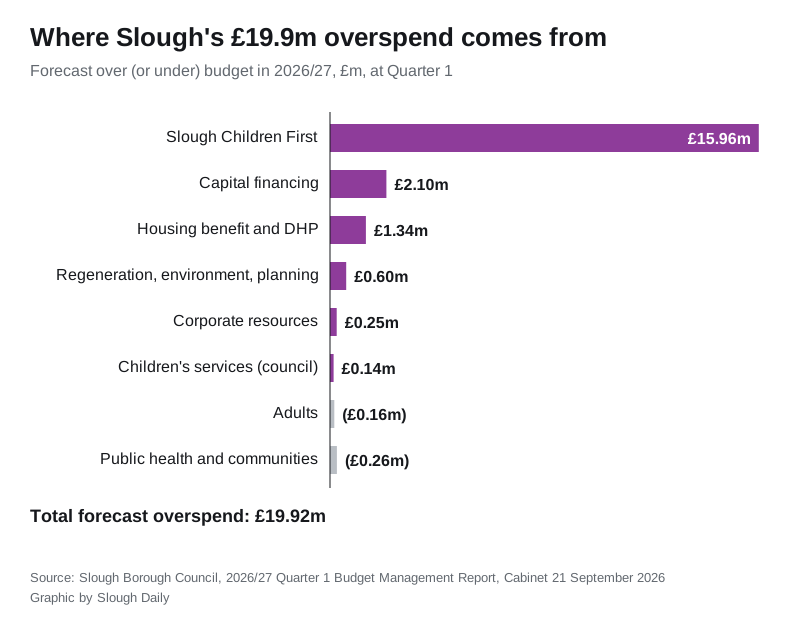
The report breaks the forecast down by department:
| Area | Budget | Forecast | Over (under) |
|---|---|---|---|
| Slough Children First | £41.02m | £56.98m | £15.96m |
| Capital financing | £11.35m | £13.45m | £2.10m |
| Housing benefit and discretionary housing payments | £19.57m | £20.91m | £1.34m |
| Regeneration, environment and planning | £13.49m | £14.09m | £0.60m |
| Corporate resources | £25.51m | £25.76m | £0.25m |
| Children’s services (council) | £12.30m | £12.43m | £0.14m |
| Adults | £66.71m | £66.54m | (£0.16m) |
| Public health, public protection and communities | £6.66m | £6.41m | (£0.26m) |
Smaller lines make up the rest of the £19.92m total.
Children’s care costs
Slough Children First is the company the council owns to run children’s social care. In August Ofsted rated those services inadequate on all four measures.
The company itself forecasts an £11.46m overspend. The report gives two reasons:
- a 26% rise in the number of children in placements the company pays for
- a 40% rise in the average cost of a placement
That rise in average cost is “largely driven by a small cohort of c.15 children in placements costing more than £0.5m per year each”.
The company’s forecast assumed demand peaked at the end of June. The council does not believe that. It has added £4.5m for continued growth, because “there is no indication that the demand growth has reached its peak”. That takes the total to £15.96m.
The council says it will fund what is needed to respond to Ofsted. It adds that it “will need to identify offsetting mitigations” elsewhere to pay for it.
Homelessness, interest rates and agency staff
The rest of the overspend comes from several places:
- £1.3m in housing benefit subsidy the council will not get back, because there are more homelessness cases than the budget assumed
- £1.55m in interest the council expected from James Elliman Homes, its housing company, which will not be received
- £0.55m more in borrowing costs, as the five-year gilt yield assumption rose from 4.3% in February to 5.5% in May
- £0.6m in regeneration, environment and planning, mainly interim staff filling roles the council could not recruit to
We covered the pressure behind that housing benefit figure in our report on the council’s temporary accommodation strategy.
Schools deficit heading for £25m
The general budget is not the only problem. The Dedicated Schools Grant, which pays for schools and special educational needs support, is forecast to overspend by £20.8m this year. Almost all of it is in the high needs block, which funds SEND.
A £13m government High Needs Stability Grant would cut that to a net £7.8m. The commissioners say the accumulated schools grant deficit is projected to reach about £25m by March 2027.
What the council plans to do
The report lists twelve kinds of in-year saving directorates have been asked to find. They include:
- releasing uncommitted budgets and pausing projects that are not invest-to-save
- stretching this year’s savings and bringing forward next year’s
- introducing fee and charge increases part way through the year
- reviewing capital works paid for by borrowing
- continued pressure to sell council assets
The full plan will come to Cabinet in November, with the second quarter figures.
On savings already agreed, £7.2m of the £15.45m (46.6%) has been delivered. A further 49.1% is not yet seen as a major risk.
Land and property sales are behind. The budget assumed £27.7m from asset sales this year. So far £3m has come in, with £8m more exchanged and awaiting completion. The report warns that if sales fall short, the council will likely have to borrow more, adding costs to future budgets.
One piece of good news in the same report
Cabinet is also asked to add a £24.5m NHS-funded project to the capital programme. It is a new community health and wellbeing centre to be called the Upton Centre for Health, built in partnership with NHS England and the local integrated care board.
The NHS has given the council the full £24.5m. The report says the risk of cost overruns sits with the integrated care board, not the council. The scheme is at feasibility stage, with most of the spending profiled for 2028/29 to 2030/31. (Public reports pack, Cabinet 21 September 2026)
Council tax collection
By the end of July the council had collected 35.95% of this year’s council tax, 0.15 points behind target. The report says “residents continue to struggle with cost-of-living increases”. It still expects to hit its full-year target of 93.5%. Business rates collection is 0.66 points ahead of target.
What it means for you
Nothing changes on your bill this year. Council tax bands and charges for 2026/27 were set in February. But a £19.9m gap has to be closed, and the council’s own list of options points at the places residents would notice:
- Fees and charges could go up part way through the year, not only in April.
- Projects that have not started could be paused if they are not required by law or paid for by a grant.
- More council land and buildings are due to go on the market.
Cabinet is being asked to note the position, not to approve cuts. The meeting is at 6.30pm on Monday 21 September, and the papers are on the council’s meeting page. The detailed savings plan is due in November.
Have your say